Small Wonders Found in Your Backyard Garden

The Hidden World of Moss and Lichen
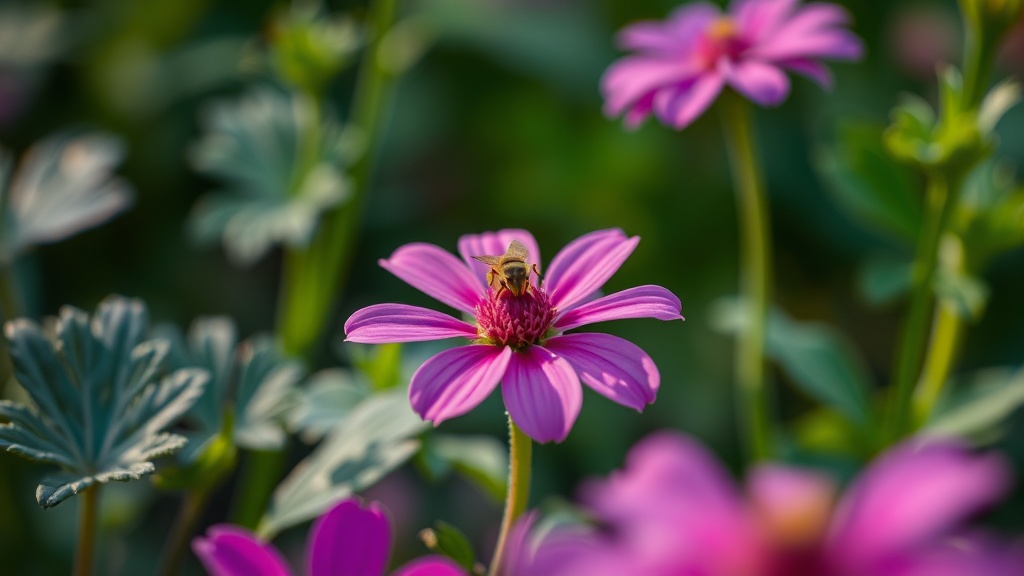
Pollinator Paradise in Flower Petals
Underground Architecture of Earthworms
The Secret Life of Fallen Logs
Did you know that a single square meter of healthy soil can contain more organisms than there are people on Earth? Most people look at a backyard garden and see plants, but if you look closer, you're actually looking at a complex, living engine. This post explores the tiny, often overlooked biological wonders that thrive in domestic gardens—from the microscopic fungi in your dirt to the specialized pollinators visiting your flowers. Understanding these small wonders helps you manage a garden that isn't just pretty, but actually functions as a thriving ecosystem.
What Are the Most Common Beneficial Insects in a Garden?
The most common beneficial insects in a backyard garden are predators like ladybugs, lacewings, and praying mantises that control pest populations naturally. While many gardeners reach for a spray bottle the second they see a bug, you'll often find that these "good bugs" are actually your best defense. For instance, a single ladybug can consume thousands of aphids during its lifetime. It’s a natural form of pest control that doesn't require chemical intervention.
If you want to attract these little workers, you shouldn't just plant anything. You need a variety of nectar-rich flowers and a bit of "organized mess." A garden that's too clean is often a dead garden.
- Ladybugs (Coccinellidae): Famous for eating aphids and scale insects.
- Green Lacewings: Often called "aphid lions" because their larvae are such voracious predators.
- Hoverflies: They look like bees but don't sting; they are incredible pollinators and their larvae eat aphids.
- Praying Mantis: The apex predator of the backyard world, capable of eating much larger pests.
It's worth noting that if you see a mantis, don't kill it. It's a sign your garden is actually healthy enough to support a high-level predator. If you're out hiking and notice these same patterns in the wild, you might want to look into reading the clouds for safer afternoon hikes to ensure you're prepared for changing weather, but in the garden, the changes are much slower and more subtle.
How Do I Improve Soil Health Naturally?
Improving soil health naturally involves adding organic matter and encouraging the growth of beneficial microbes and fungi. You don't need expensive synthetic fertilizers to get great results; often, the best things are the things you'd usually throw away. Compost is the gold standard here. It adds nutrients while also improving the structure of your soil, making it better at holding water.
Think about the way a forest floor works. It’s not a sterile environment—it's a layer of decaying leaves and organic debris that feeds the trees. You can mimic this in a backyard setting. Instead of pulling every single weed or clearing every leaf, leave some organic material to break down. This feeds the earthworms, which are perhaps the most important "small wonder" in your yard. Earthworms act as natural aerators, creating tunnels that allow oxygen and water to reach plant roots more effectively.
Here is a quick breakdown of how different organic additions impact your garden:
| Additive | Primary Benefit | Best For |
|---|---|---|
| Compost | Nutrient density and moisture retention | All garden beds |
| Leaf Mold | Soil structure and fungal growth | Woody perennials |
| Worm Castings | Rapid nutrient availability | Container plants and vegetables |
| Mulch (Wood Chips) | Moisture retention and weed suppression | Perennial borders |
Don't overcomplicate it. If you use a high-quality tool like a Gardena hand trowel to mix in a bit of compost, you're already ahead of the game. The goal is to feed the soil, not just the plant.
The Hidden World of Mycelium
Beneath your feet, there is a massive network of fungal threads called mycelium. This is the "internet" of the garden. These fungi form symbiotic relationships with plant roots, exchanging minerals for sugars. Without this microscopic network, many plants would struggle to thrive. If you see mushrooms popping up in your mulch, don't panic—they are a sign of a functioning biological cycle. It's a sign that the organic matter is being recycled into something useful.
How Much Does It Cost to Build a Pollinator Garden?
Building a pollinator garden can cost as little as $0 if you use seeds from your existing yard, or several hundred dollars if you buy mature, nursery-grown perennials. The cost depends entirely on your approach. If you're buying established plants from a place like Home Depot or a local nursery, expect to pay between $10 and $30 per plant. However, the most sustainable (and cheapest) way is to start with seeds and let them grow over time.
Here’s a realistic look at potential costs for different levels of garden development:
- The Budget Approach ($0 - $50): Collect seeds from native plants, use homemade compost, and rely on natural rainfall.
- The Intermediate Approach ($100 - $300): Buy a few starter plants, some quality organic soil, and a basic bag of mulch.
- The Full Transformation ($500+): Installing raised beds, high-quality irrigation systems, and a wide variety of mature perennials.
The real value isn't in the money you spend, but in the time you spend observing. A garden that attracts bees and butterflies is a living laboratory. You'll notice that a small investment in native plants—plants that actually belong in your region—yields much higher returns in terms of biodiversity than buying "pretty" exotic plants that the local wildlife can't actually use.
You can check the USDA Plant Database (or your local equivalent) to find out which species are truly native to your area. This ensures you aren't just planting a garden, but building a habitat. It’s a small distinction, but it's the difference between a decorative patch of grass and a true ecosystem.
The next time you walk through your yard, stop for a second. Look at the underside of a leaf or the texture of the soil. There is a whole world happening right under your nose. It's not just about growing vegetables or flowers—it's about participating in a much larger, much older cycle of life. If you can support the small wonders, the big ones—the harvests, the blooms, the vibrant colors—will follow naturally.