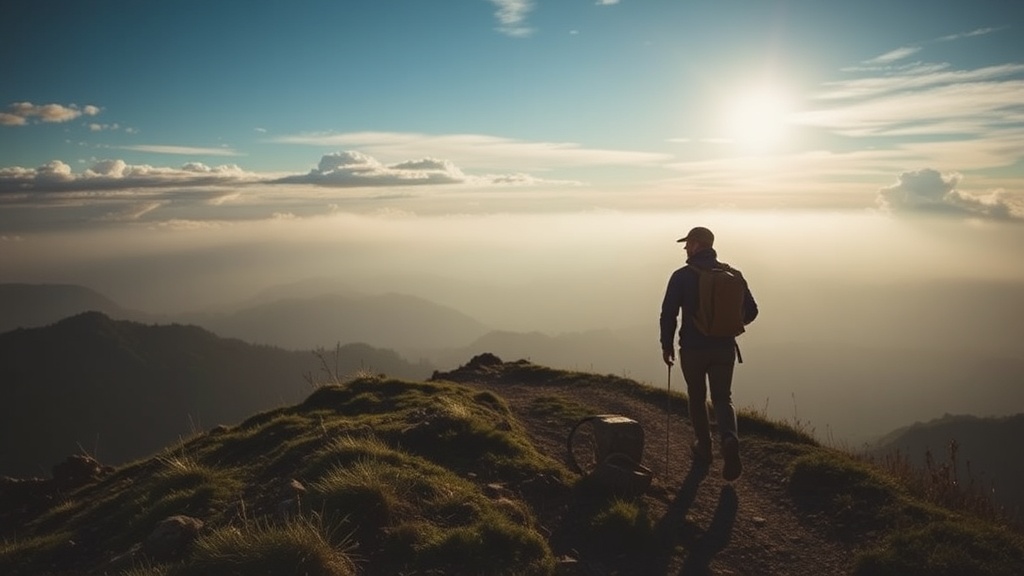
The One Trail Habit That Quietly Transforms Your Entire Outdoor Experience

Quick Tip
Pause for 60 seconds every 20–30 minutes on the trail and do nothing—this resets awareness, improves safety, and deepens your outdoor experience.
There’s a habit that almost no beginner takes seriously—and almost every experienced outdoors person refuses to hike without. It doesn’t cost anything. It doesn’t require fancy gear. And once you build it, your entire relationship with trails, forests, and even your own pace changes.
Here’s the tip: Pause for 60 seconds every 20–30 minutes—and do absolutely nothing.
No photos. No water break multitasking. No checking maps. Just stand or sit still and observe.
Why This Tiny Habit Changes Everything
Most people hike like they’re completing a task. There’s a destination, a time estimate, maybe even a calorie burn goal. You move forward, you check your watch, and you push on. The trail becomes a line between point A and point B.
That mindset quietly strips away the best parts of being outdoors.
When you deliberately pause—really pause—you interrupt that momentum. And in that interruption, something interesting happens: your senses recalibrate.
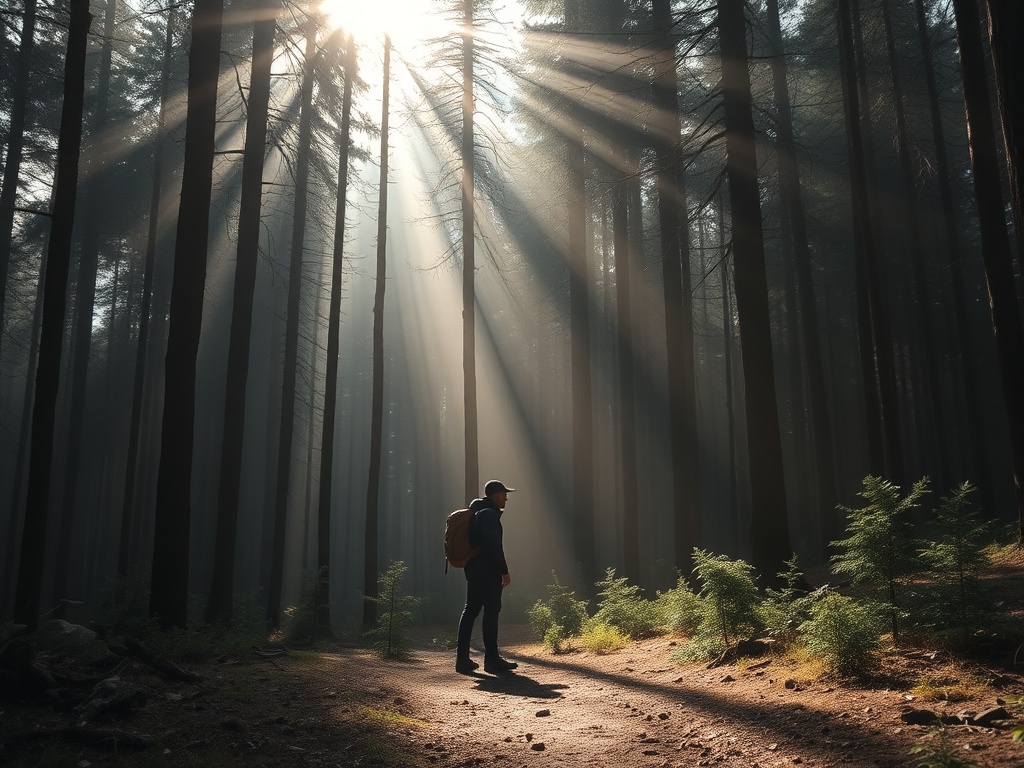
You begin to notice wind direction instead of just feeling it. You hear layered sounds instead of background noise. You start seeing depth in the forest—movement, patterns, subtle changes in light.
This isn’t poetic exaggeration. It’s a neurological reset. Your brain shifts from goal-oriented processing to awareness-driven perception.
The First 20 Seconds Feel Awkward—That’s the Point
If you try this on your next hike, expect discomfort.
The first instinct is to do something. Check your phone. Adjust your pack. Take a sip of water. Your brain wants to fill the silence because it’s conditioned to constant input.
Resist that urge.
The awkwardness is the signal that you’ve stepped out of autopilot. Most outdoor experiences are surprisingly automated—we walk, we scan for hazards, we keep pace. Stopping breaks that loop.
After about 20–30 seconds, the discomfort fades. Then your awareness widens.
You’ll notice things like:
- A bird call that repeats in patterns
- The way shadows shift across the trail
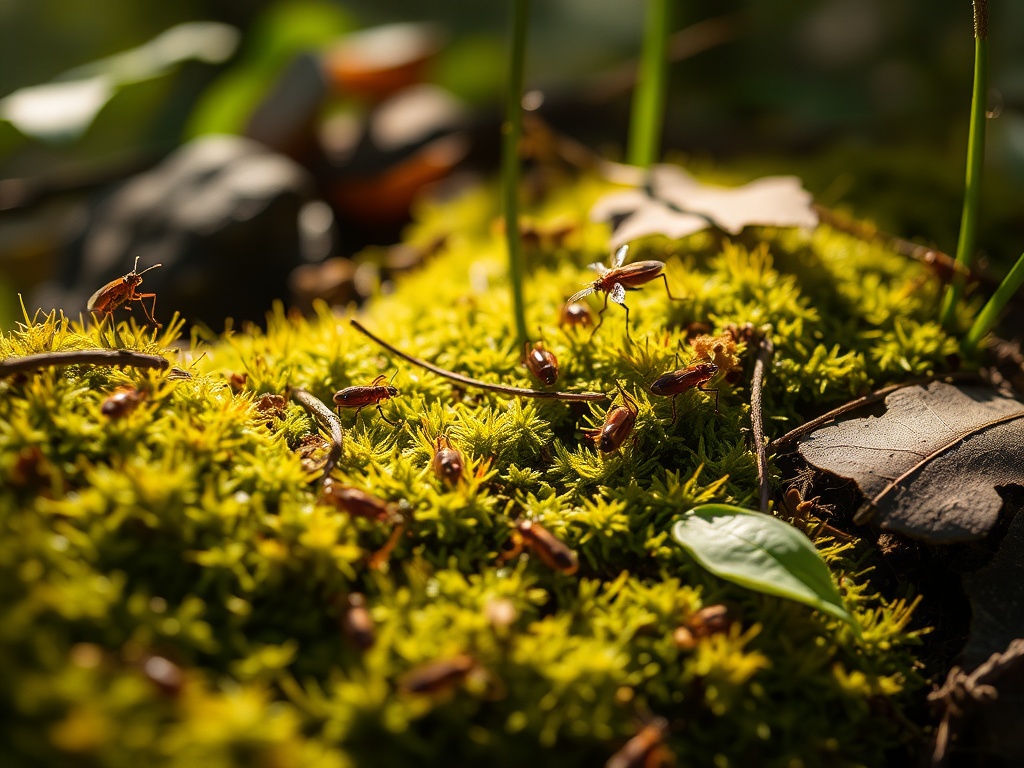
- Distant sounds you missed while moving
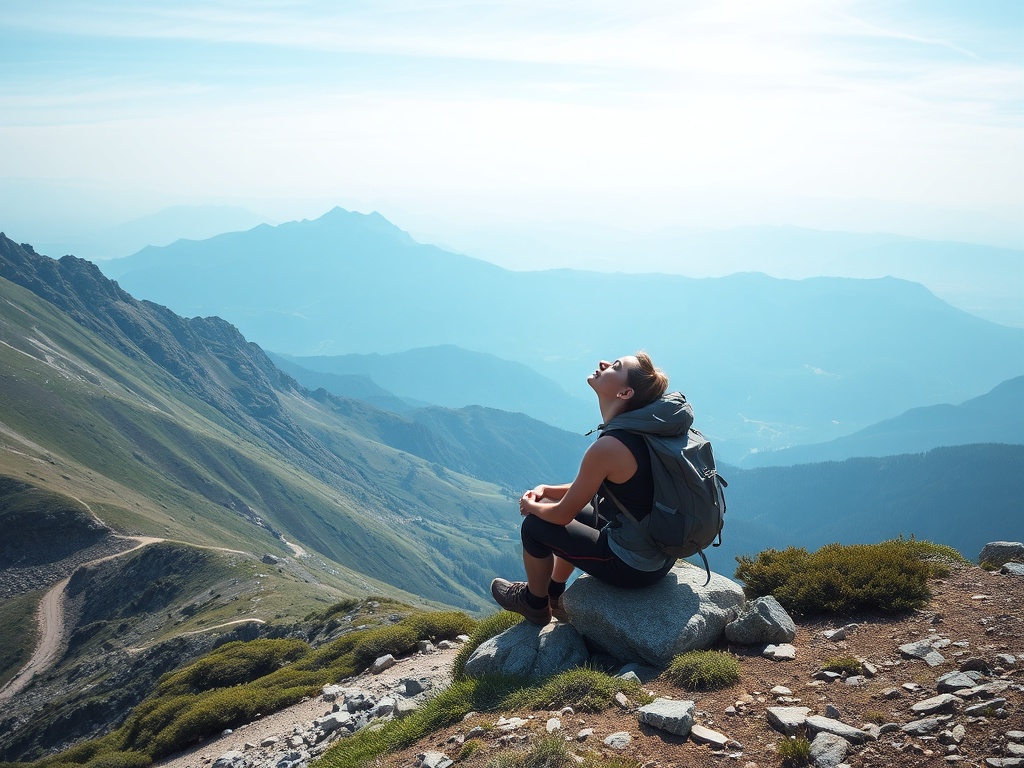
- Your own breathing slowing down
This Habit Improves Safety Without Feeling Like Work
Here’s the part most people overlook: this isn’t just about mindfulness—it directly improves your safety outdoors.
When you pause regularly, you naturally:
- Reassess your surroundings without pressure
- Notice trail markers you might have missed
- Catch early signs of fatigue or dehydration
- Pick up on weather changes sooner
It’s essentially a built-in check system—but it doesn’t feel like a checklist. It feels like rest.
Compare that to hikers who push continuously. They tend to miss subtle signals until they become problems: wrong turns, exhaustion, or poor decision-making late in the day.
A 60-second pause every half hour adds maybe 10 minutes to a full hike. That’s nothing compared to the time lost correcting mistakes—or worse.
You’ll Actually Cover Distance More Efficiently
This sounds counterintuitive, but experienced hikers already know it: slowing down strategically often makes you faster overall.
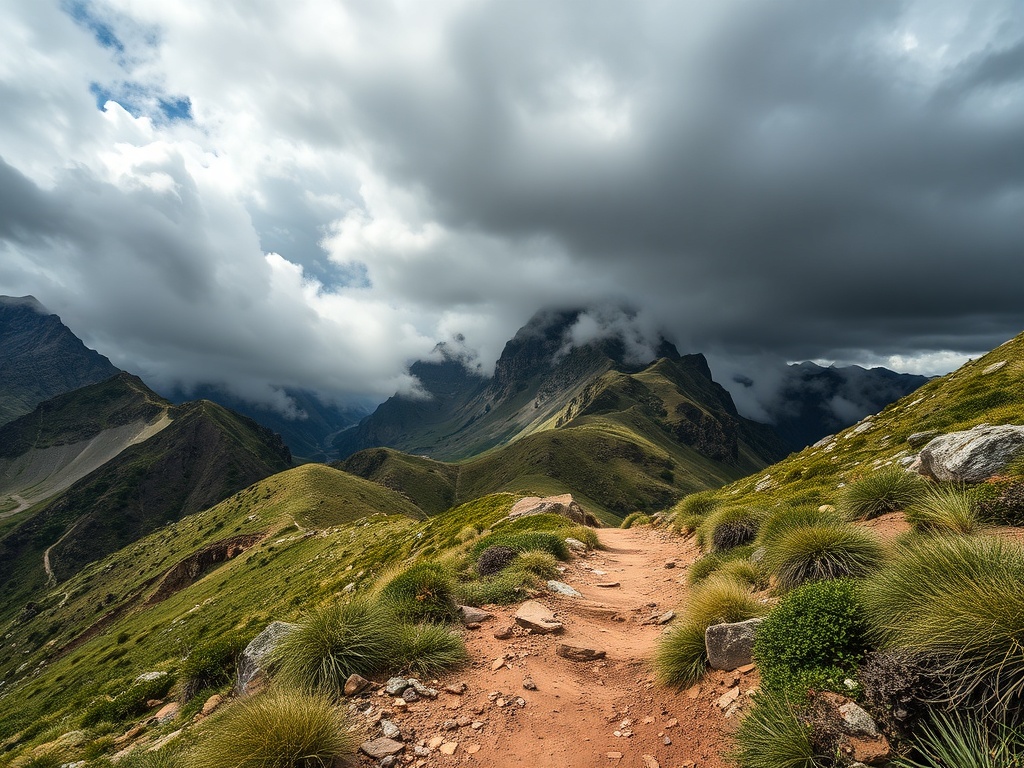
When you never pause, fatigue builds gradually and invisibly. Your stride shortens. Your focus drifts. You take less efficient steps without realizing it.
With intentional pauses:
- Your muscles reset before fatigue compounds
- Your posture improves naturally
- Your pace stabilizes instead of fluctuating
The result is smoother, more consistent movement. You’re not sprinting and crashing—you’re flowing.
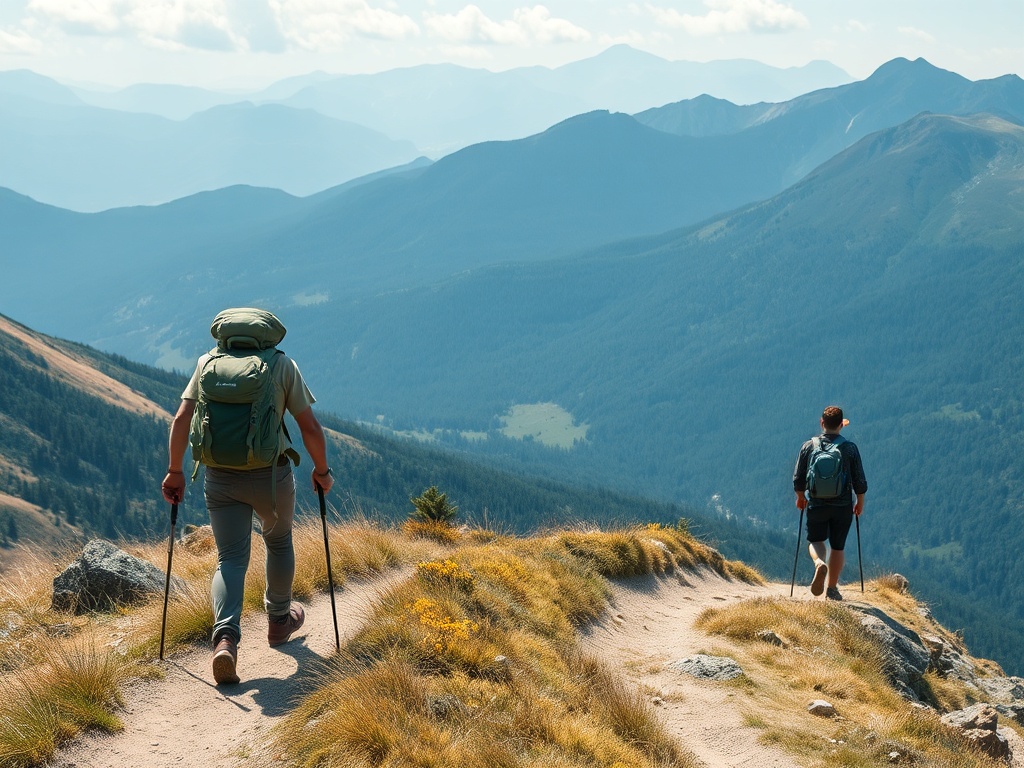
On longer hikes, this difference becomes obvious. The person who pauses arrives steady. The one who doesn’t arrives drained.
It Changes How You Remember the Trail
Ask someone what they remember from a hike they rushed through. You’ll get generalities: “nice views,” “long climb,” “good workout.”
Ask someone who paused regularly, and you’ll hear specifics.
They remember:
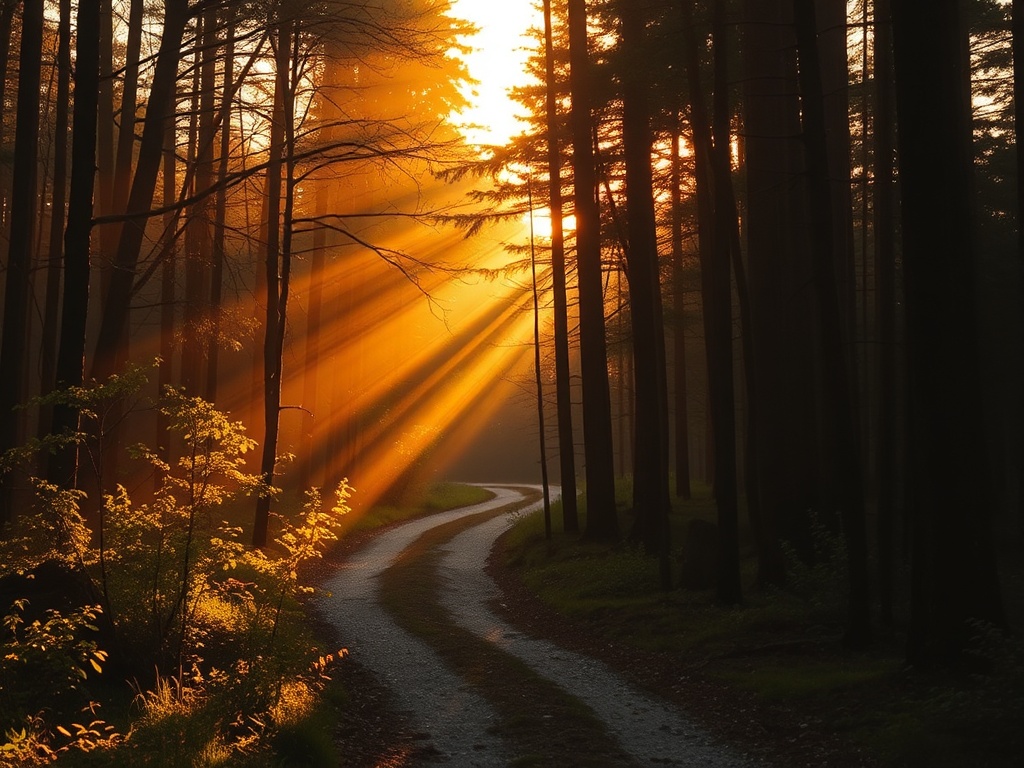
- The exact bend where the light broke through the trees
- The sound of water before the stream came into view
- The moment the air temperature shifted
Those moments only register when you’re still enough to notice them.
Over time, this builds a richer memory of places. Trails stop blending together. Each one gains its own identity.
How to Actually Build This Habit (Without Forgetting)
The biggest barrier isn’t difficulty—it’s remembering to do it.
Here are simple ways to make it automatic:
- Use landmarks: Pause at every major trail junction or viewpoint
- Time-based trigger: Every 20–30 minutes, no exceptions
- Terrain shift cue: When elevation or scenery changes, stop
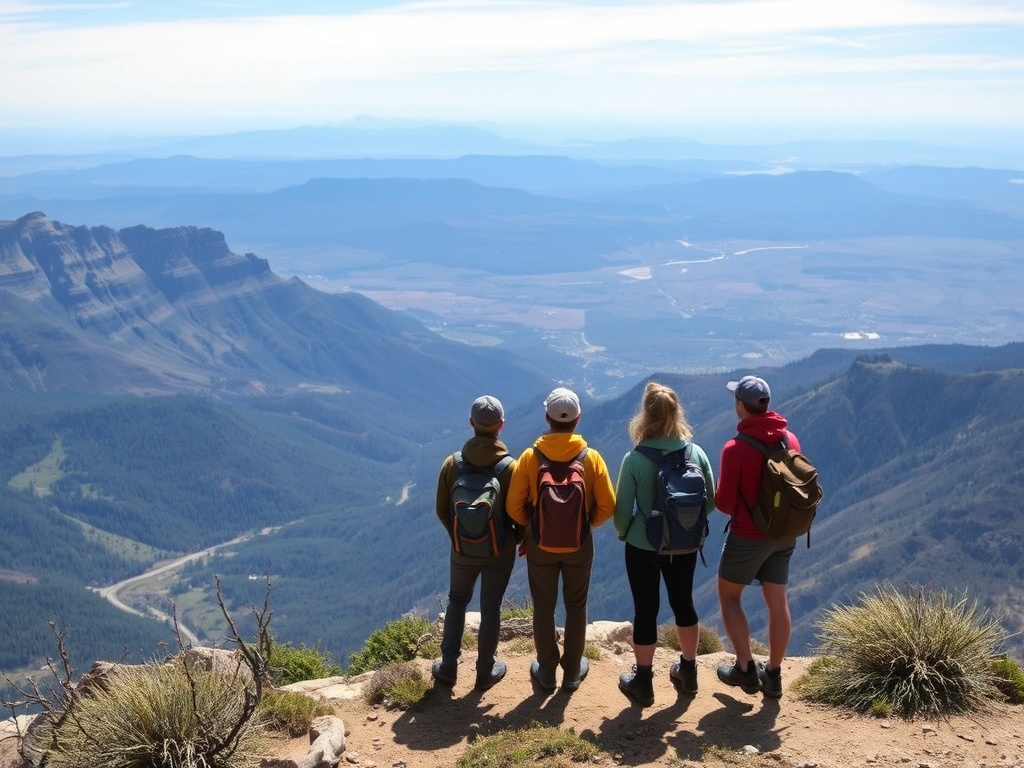
- Buddy system: If hiking with someone, take turns calling pauses
Don’t overcomplicate it. The goal isn’t precision—it’s consistency.
And keep the rule simple: when you stop, you stop fully.
When Not to Use This (Yes, There Are Exceptions)
Like any outdoor habit, context matters.
You should skip or shorten pauses when:
- Conditions are unsafe (extreme cold, exposed ridgelines, storms)
- You’re in high-risk terrain requiring constant movement
- Time is critical (approaching darkness or weather shifts)
In those cases, awareness still matters—but it happens on the move.
The key is judgment. This habit supports good decision-making; it doesn’t replace it.
Why Most People Never Adopt This (And Miss Out)
It’s not because it’s hard. It’s because it feels unproductive.
We’re wired to equate movement with progress. Stopping feels like falling behind—even on a trail where there’s no real deadline.
But outdoors, the value isn’t just in covering ground. It’s in how deeply you experience it.
This habit flips that equation. Progress isn’t just distance—it’s awareness, memory, and connection to the environment.
Once you internalize that, the pauses stop feeling like interruptions. They become the best part of the hike.
The Bottom Line
If you only change one thing about how you spend time outdoors, make it this.
Pause. Stay still. Let the environment catch up to you.
It’s the simplest upgrade you can make—and the one most people overlook entirely.
Try it once on your next trail. Not perfectly. Just once or twice.
You’ll notice the difference immediately. And after a few hikes, you won’t want to go without it.