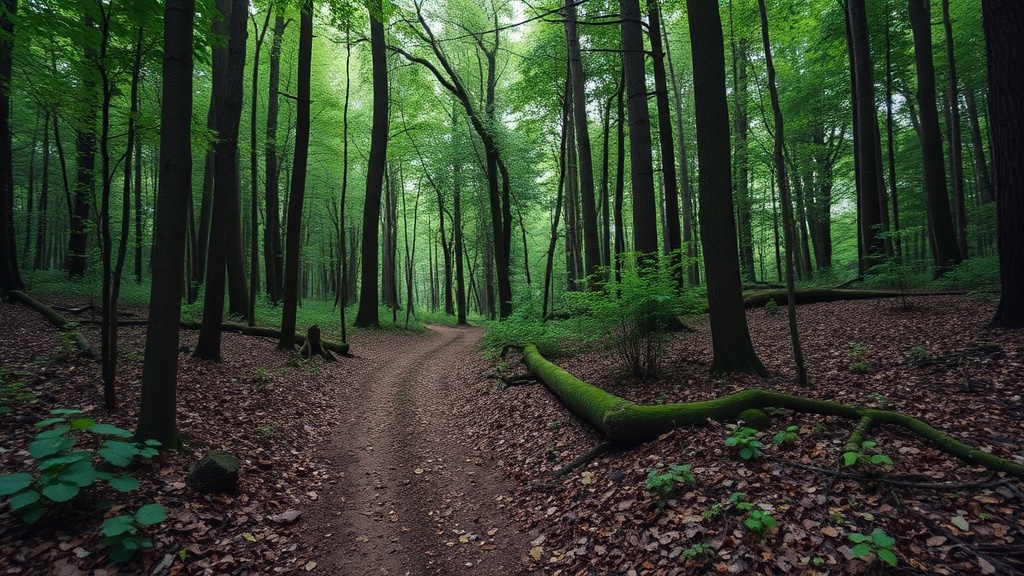
Discovering Hidden Forest Trails: A Beginner's Guide to Nature Exploration

Hidden forest trails offer some of the most rewarding outdoor experiences — quiet paths, unexpected wildlife sightings, and that satisfying feeling of discovery. This guide covers everything needed to find these lesser-known routes, stay safe while exploring, and develop the skills that turn a casual walk into a genuine nature adventure. Whether someone lives in Fredericton or anywhere with woodland nearby, the principles here apply.
What Equipment Do You Need for Forest Trail Exploration?
You don't need much. A reliable pair of hiking boots makes the biggest difference — wet feet ruin a day faster than almost anything else. Look for boots with Vibram soles and waterproof membranes like Gore-Tex. The Merrell Moab 3 Mid WP runs about $140 and handles most beginner terrain without breaking the bank.
Here's a practical gear list for day trips:
- Navigation: A physical map (yes, really) plus the AllTrails app for route discovery
- Hydration: Two liters minimum — a CamelBak Crux Reservoir works well
- Safety: Whistle, headlamp (Petzl Tikkina), basic first aid kit
- Clothing: Moisture-wicking base layers, rain shell, spare socks
- Food: High-energy snacks — Clif Bars, nuts, dried fruit
The catch? Overpacking weighs you down. Start with the basics and add gear as experience grows. Many beginners show up with expensive GPS units they barely know how to use. A compass and the ability to read trail markers serve most people better.
Worth noting: Fredericton's Odell Park and Killarney Lake trails are excellent testing grounds. They're accessible, well-marked, yet offer that "hidden trail" feeling in sections most visitors skip. Practice there before venturing into backcountry areas like the Fundy National Park wilderness zones.
How Do You Actually Find Hidden Forest Trails?
Start with resources most people ignore. Local hiking clubs maintain detailed knowledge of unofficial paths. The Sentier NB Trail network covers over 2,500 kilometers across New Brunswick, with many spur routes barely documented online. Club members often know which connectors see foot traffic versus which ones remain quiet.
Topographic maps reveal patterns. Streams, ridgelines, and elevation changes suggest where trails might exist — or where you might create a route. The Government of Canada's CanTopo series provides free 1:50,000 scale maps with remarkable detail. Look for: - Contour lines spaced widely (gentler grades) - Water features near trails (good campsites, wildlife corridors) - Old roadbeds or railway grades (common in New Brunswick's logging history)
Here's the thing about "hidden" trails: they're usually hidden in plain sight. That unmarked path branching off a popular route? The social trail cutting through birch stands? These often lead to interesting features — small waterfalls, overlooks, abandoned structures — that don't appear on official maps.
| Discovery Method | Best For | Difficulty |
|---|---|---|
| Local hiking clubs | Established but unmarked routes | Easy |
| Topographic map study | Route planning, understanding terrain | Moderate |
| Satellite imagery (Google Earth) | Spotting clearings, old roads, meadows | Easy |
| Exploring from known trailheads | Immediate discovery, skill building | Variable |
| Historical maps and logging records | Deep wilderness, ghost towns | Advanced |
That said, respect matters. Some trails remain unmarked intentionally — to protect sensitive ecosystems, respect private land, or preserve solitude. If a path shows signs of deliberate obscurity (faded blazes, minimal foot traffic), consider whether discovery serves the greater good. The best explorers know when to turn back.
What Safety Rules Apply to Off-Trail Forest Exploration?
Tell someone exactly where you're going and when you'll return. Not "the woods near town" — specific trailheads, planned routes, turnaround times. This single habit separates experienced explorers from search-and-rescue statistics.
Weather in forested areas changes rapidly. Morning fog can reduce visibility to meters. Afternoon thunderstorms roll through with little warning — and standing near tall trees during lightning isn't advisable. Check Environment Canada forecasts before departure, but carry rain gear regardless. Conditions at the trailhead rarely match those two kilometers in and three hundred meters up.
Wildlife encounters require calm responses. Black bears populate New Brunswick forests, though attacks remain extremely rare. Make noise while hiking — conversation, occasional calls — to avoid surprising animals. Carry bear spray (Counter Assault makes a reliable canister) and know how to use it. If encountering a bear: speak calmly, back away slowly, never run.
The real dangers are more mundane. Twisted ankles on rooty terrain. Hypothermia from unexpected immersion. Getting lost because you followed what looked like a trail but was actually a deer path. These scenarios play out regularly in Maritime forests.
Navigation skills deserve serious attention. Learn to: - Read topographic maps and correlate terrain features - Use a compass for basic bearings (Suunto A-10 is affordable and accurate) - Identify trail markers — painted blazes, cairns, cut branches - Recognize when you're lost (hint: if you're uncertain, you probably are)
Here's the thing most guides won't tell you: getting slightly lost is part of learning. The key is staying calm, using your tools, and knowing when to stop making the situation worse. If confused, sit down. Eat something. Think. Panic burns energy and leads to poor decisions.
How Should Beginners Build Their Forest Skills?
Start with identification. Knowing what you're looking at transforms walking into exploration. Tree identification comes first — learn to distinguish eastern hemlock from white pine, sugar maple from red maple. These aren't botanical trivia; they predict terrain (hemlocks grow in cool, moist ravines), seasonality (maples mark old farmland), and even wildlife patterns (deer love cedar stands in winter).
Bird calls add another dimension. A sudden alarm call from chickadees often means a predator nearby — maybe an owl, maybe a weasel. Learning twenty common species by ear opens up the forest's communication network. The Cornell Lab of Ornithology's All About Birds website offers excellent free resources for beginners.
Tracking reveals who's been there. Even sandy trail sections show passage — deer hooves, coyote pads, the distinctive "X" pattern of turkey tracks. After rain, look for tracks in mud along stream banks. The book "Mammal Tracks & Sign" by Mark Elbroch remains the standard reference, though YouTube channels like NatureTracking offer solid visual introductions.
That said, skill building takes time. Don't try to learn everything simultaneously. Pick one focus area per season: spring for wildflowers, summer for insects and birds, fall for tracking (leaves down, soil moist), winter for tree identification against snow. This spaced approach sticks better than cramming.
What's the Best Way to Approach Forest Trail Etiquette?
Stay on marked trails when they exist. Cutting switchbacks erodes slopes and creates confusing path networks. In wet areas (common throughout New Brunswick), walking around mud puddles widens trails unnecessarily. Embrace wet boots — or invest in gaiters.
Leave what you find. That interesting rock, those mushrooms, the antler shed — photograph them, note the location, but don't collect. Other explorers deserve the same discovery experience. Plus, removing natural objects disrupts ecological processes you might not understand.
Human waste requires proper handling. On popular trails, use facilities. In remote areas, dig catholes 15-20 cm deep at least 60 meters from water sources. Pack out toilet paper — yes, even the "biodegradable" kind. It decomposes slowly in forest soils.
Dogs complicate things. Not everyone loves approaching off-leash dogs, and wildlife encounters become more likely and more dangerous. If bringing a dog, keep it leashed on busy trails and under voice control everywhere else. Pack out their waste too — dog poop isn't "natural fertilizer" in forest ecosystems.
The social aspect surprises many beginners. Hidden trails don't guarantee solitude. You might round a bend to find a photography group, a forager, or someone simply enjoying the same quiet you sought. Make eye contact, offer a greeting, and pass without judgment. The forest belongs to everyone — including those whose version of nature appreciation looks different from yours.
Exploring hidden forest trails opens doors to experiences no guidebook captures. The particular quality of light filtering through old-growth hemlocks. The sound of a grouse exploding from cover (yes, your heart will race). The satisfaction of reading a space well enough to predict where the path continues. These rewards come to those who prepare properly, respect the environment, and accept that learning happens one step at a time. Fredericton's surrounding forests offer an ideal training ground — accessible enough for afternoon trips, wild enough to teach genuine skills. Lace up those boots and see what's waiting beyond the marked trailhead.